Let's All Pretend This Helps
The Cluster
Fifty light-years across. Surrounded by nothing. Two species arrived here — humans as colony ships, Resonants as a migration — and now neither can leave. Ships crawl between systems at near-light speed, making even short conflicts take years to unfold.
The War Nobody Can Win
Both civilisations need Resonance Crystals to survive. The crystals only form in the gravity wells of dying stars, and the stars are running out.
Humans need them to power the relativistic drives that keep their colonies connected. The Resonants — energy beings whose real name translates to something like Those-Who-Sing-Between-Stars — need them to maintain their very consciousness. Without crystals, they simply dissipate into background radiation.
Neither side understands what the crystals mean to the other. Neither side is willing to ask.
The Misunderstanding
Communication attempts have failed catastrophically. The universal translator mishears Resonant harmonics as aggressive static. Standard human politeness comes across as patronising and insincere. Very few humans have ever seen a Resonant face to face — they appear as shifting patterns of light, and they don't exactly hand out business cards.
Both sides now shoot on sight.
The Crew
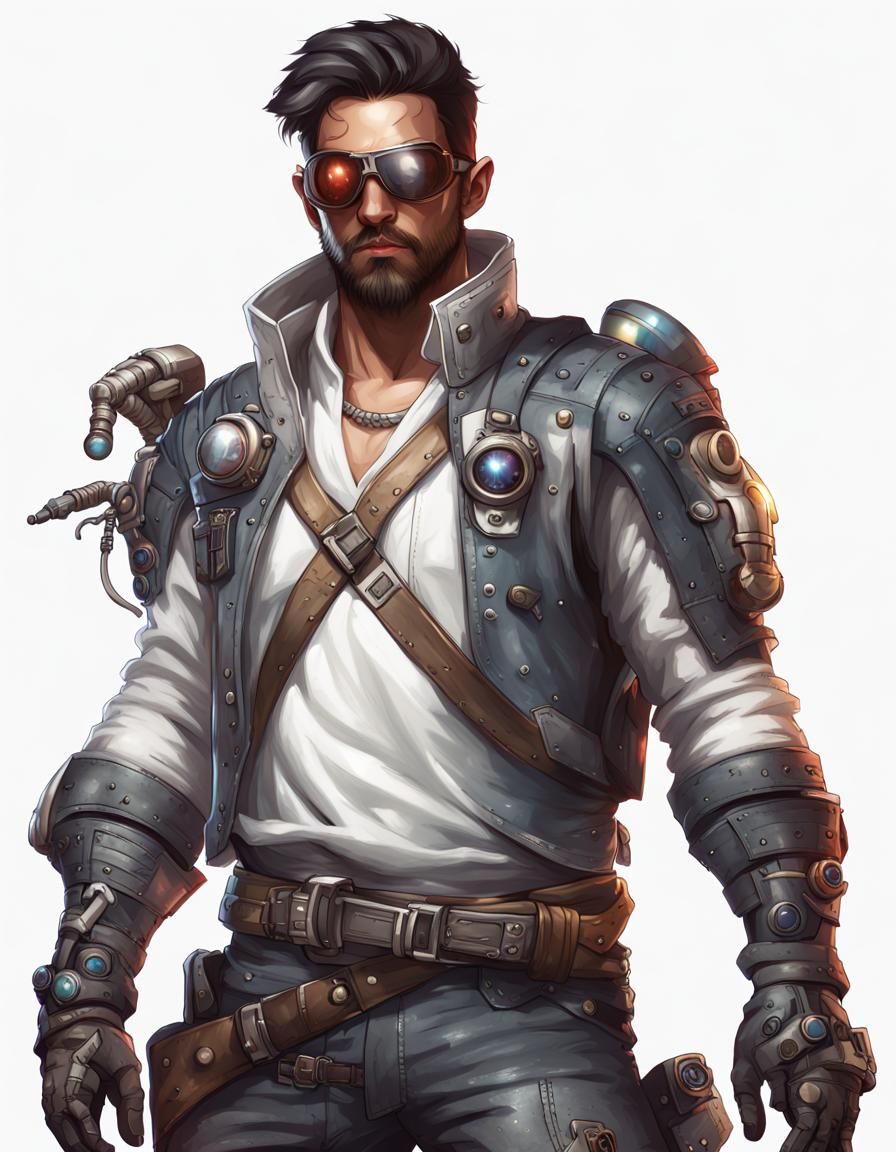
Into this mess flies a beat-up smuggling ship, working the fringes of human space. Through increasingly ridiculous jobs — dodging bureaucratic space pirates who file paperwork mid-raid, corporate middle managers who treat galactic conflict like a quarterly review, and the occasional malfunctioning AI with opinions — the crew keeps accidentally stumbling into the middle of history.
They are, without question, the worst possible candidates for peace negotiators.
Which is exactly why it might work.